
墨染山河意 笔寄赤子心——宋业宏书画艺术评析
Ink dyed mountains and rivers, brushstrokes sent to the heart of a child - a review of Song Yehong's calligraphy and painting art
当代书画艺术蓬勃发展,在守古拓新的艺术浪潮之中,宋业宏先生数十年躬耕砚田,书画兼修,寄情山河,融笔墨修为与人文情怀于一纸,以质朴雄浑、意境悠远的艺术风貌,在当代艺坛形成独树一帜的个人格调。他扎根传统文脉,体察自然万象,将生活阅历、家国情怀倾注于丹青翰墨之间,既是深耕笔墨的实践者,也是中华书画文脉忠实的传承者。
宋业宏自幼酷爱书画,自青年时代便与笔墨结缘,多年来笔耕不辍,未曾间断对书画之道的求索。学艺之路,他博观历代名家真迹,溯源传统绘画与书法的精髓。书法上,遍临晋唐碑帖,取法二王的飘逸雅韵,研习颜真卿雄浑正大的笔力,篆隶追寻秦汉古拙之气,日积月累练就扎实深厚的笔墨功底。绘画方面,他潜心研习山水、花鸟两大题材,汲取宋元山水空灵悠远的意境,借鉴近现代名家写生造境的创作理念,师法古人,更师法自然,常年观山川风云,察草木生机,把天地间的灵动气韵融入笔下,跳出临摹复刻的桎梏,逐步建立起属于自己的艺术语言。
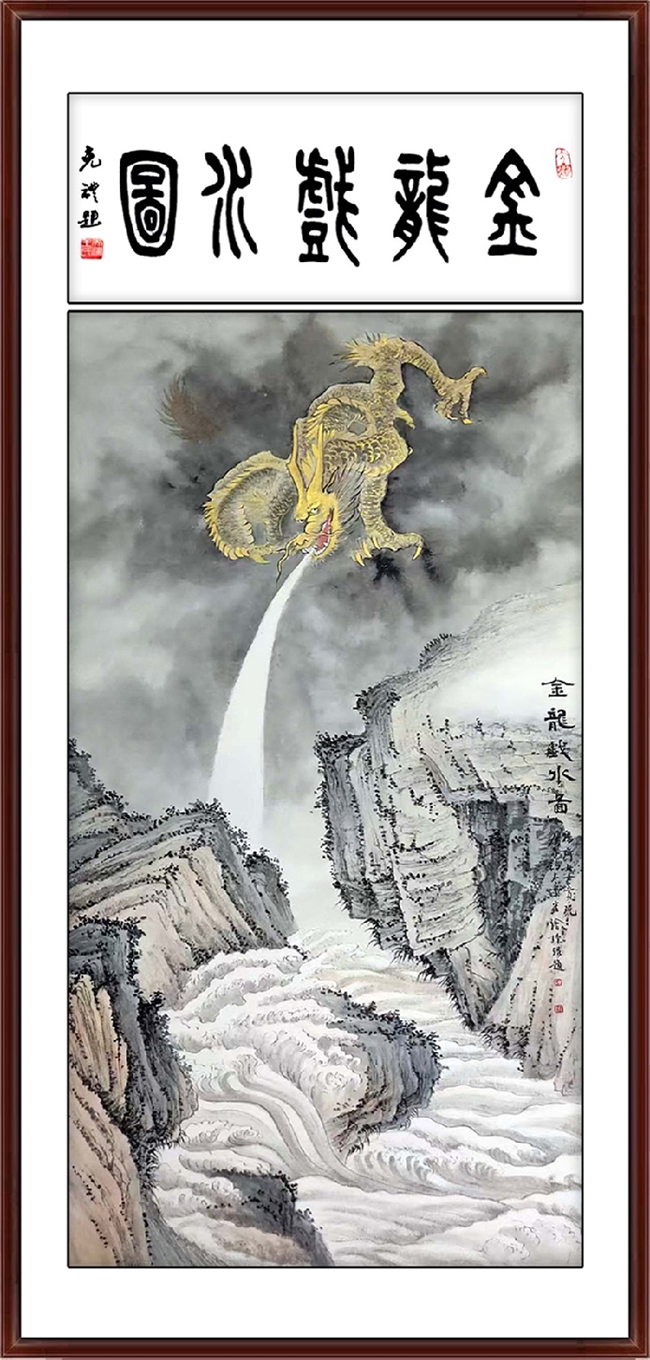
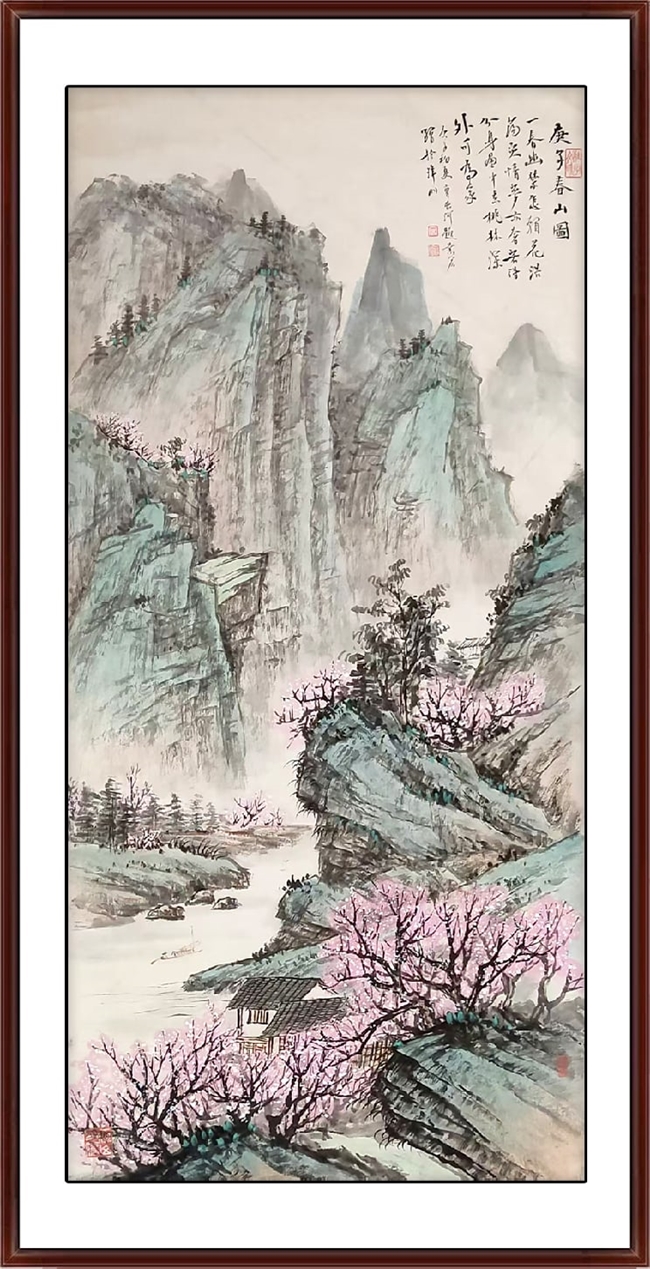
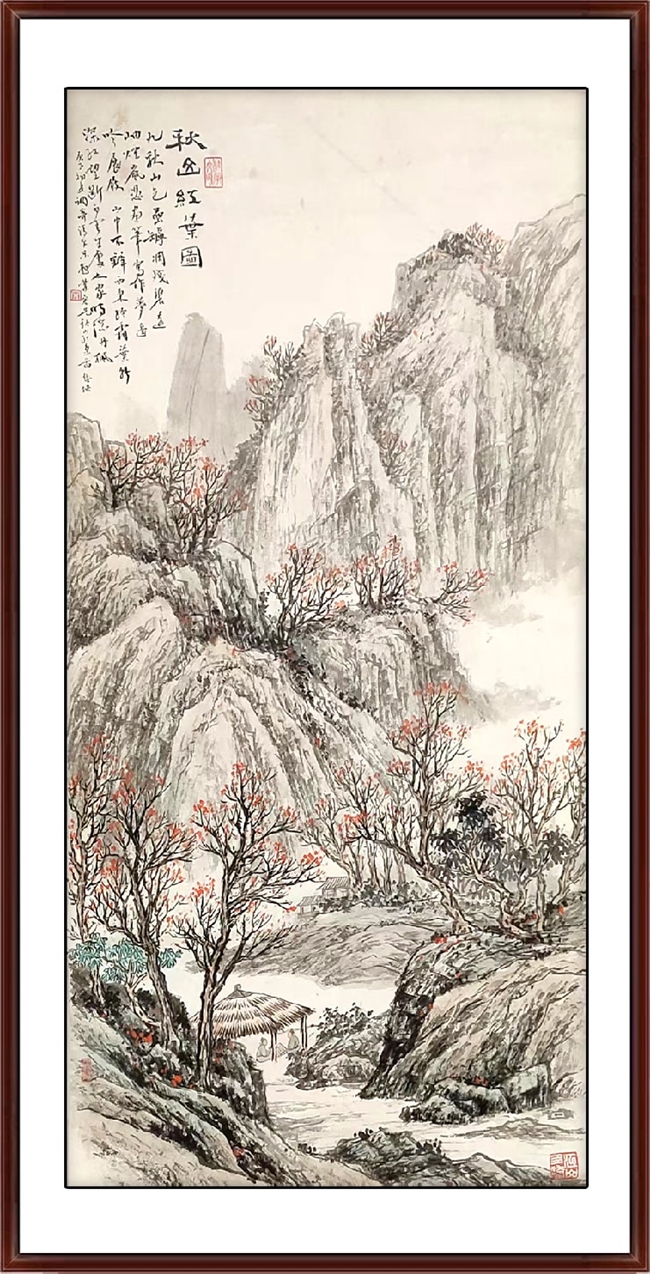
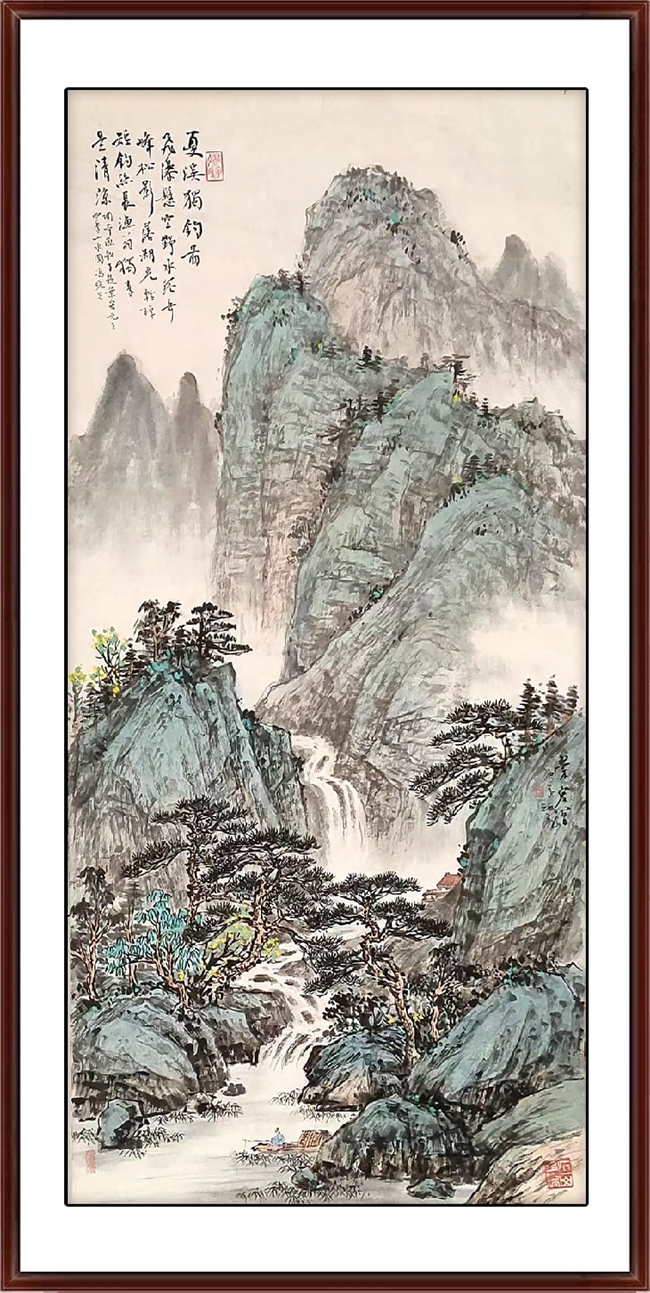
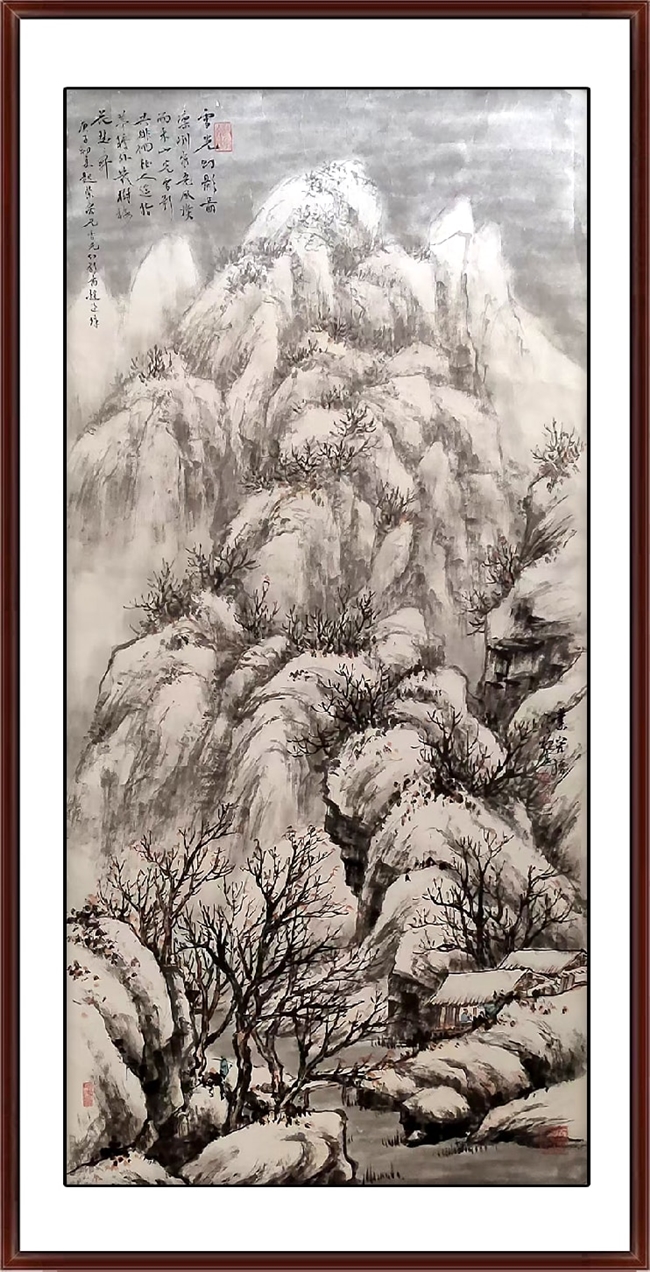
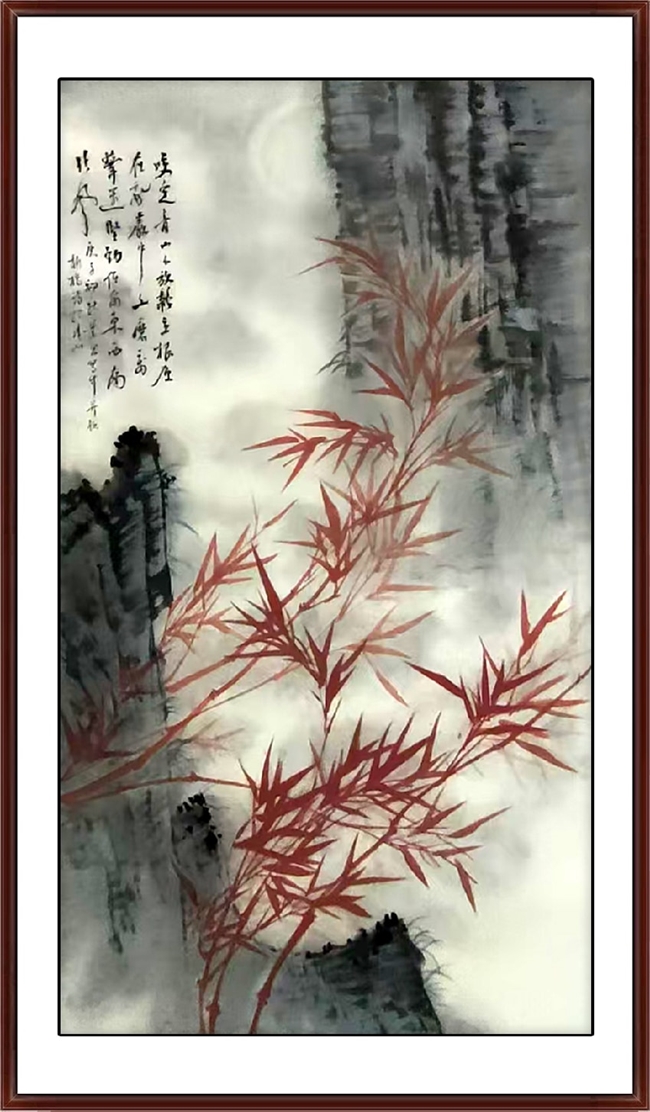
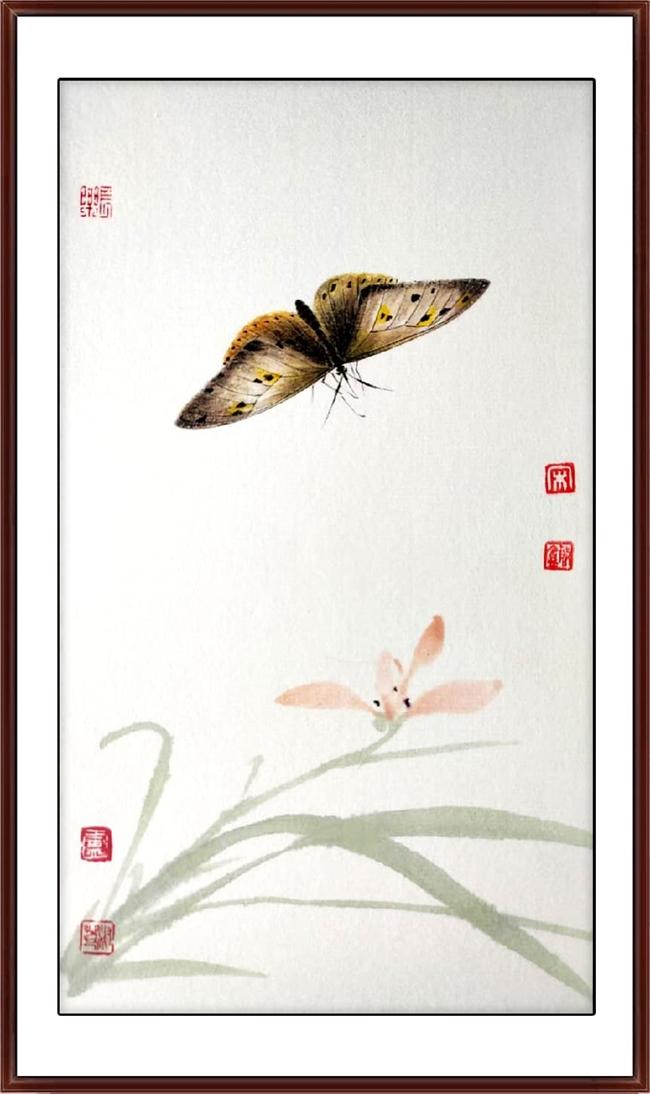
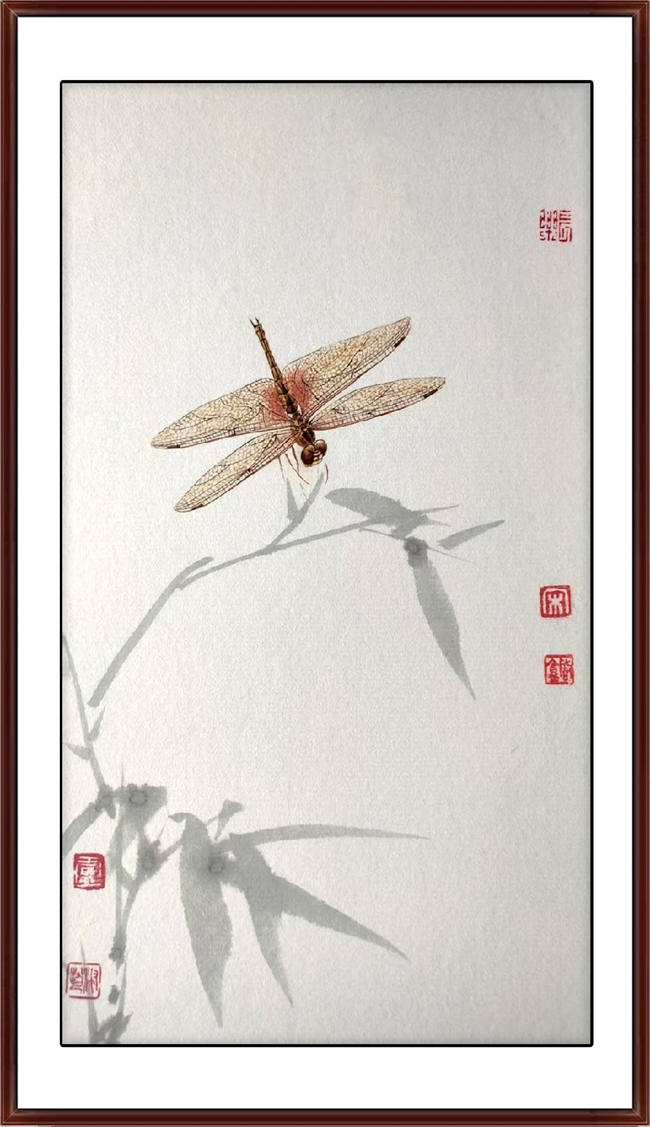
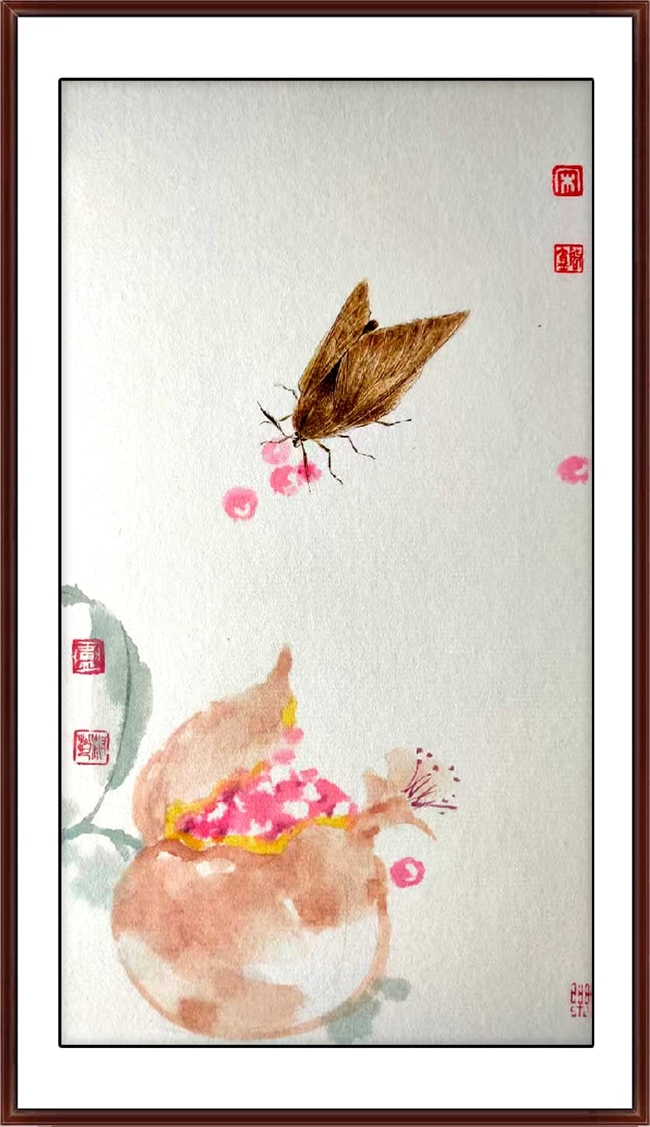
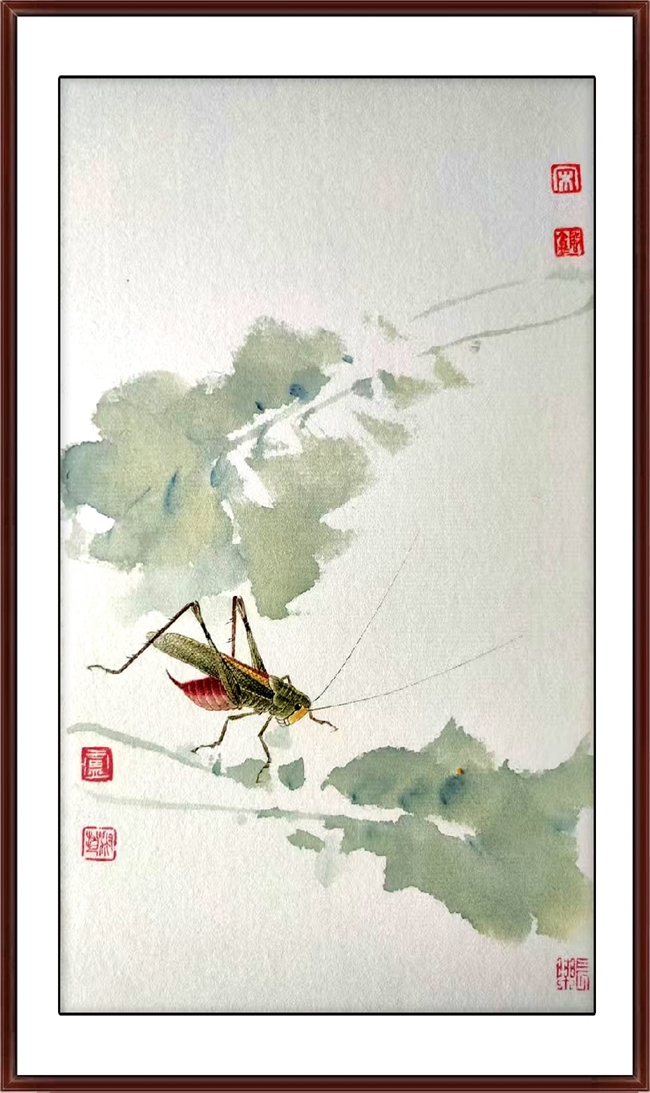
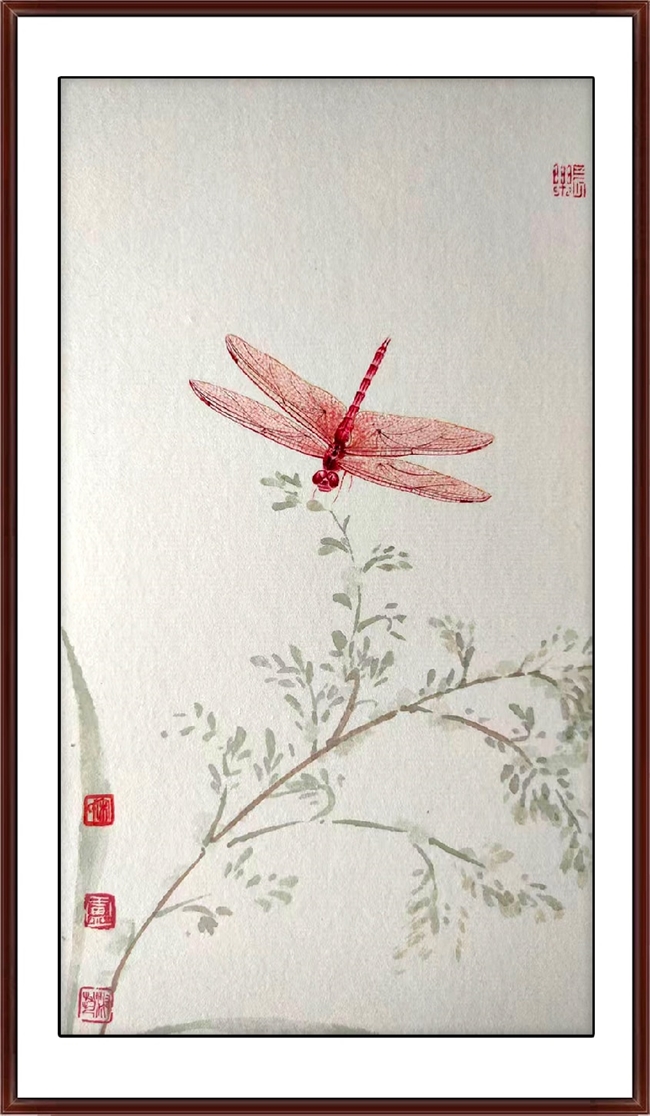
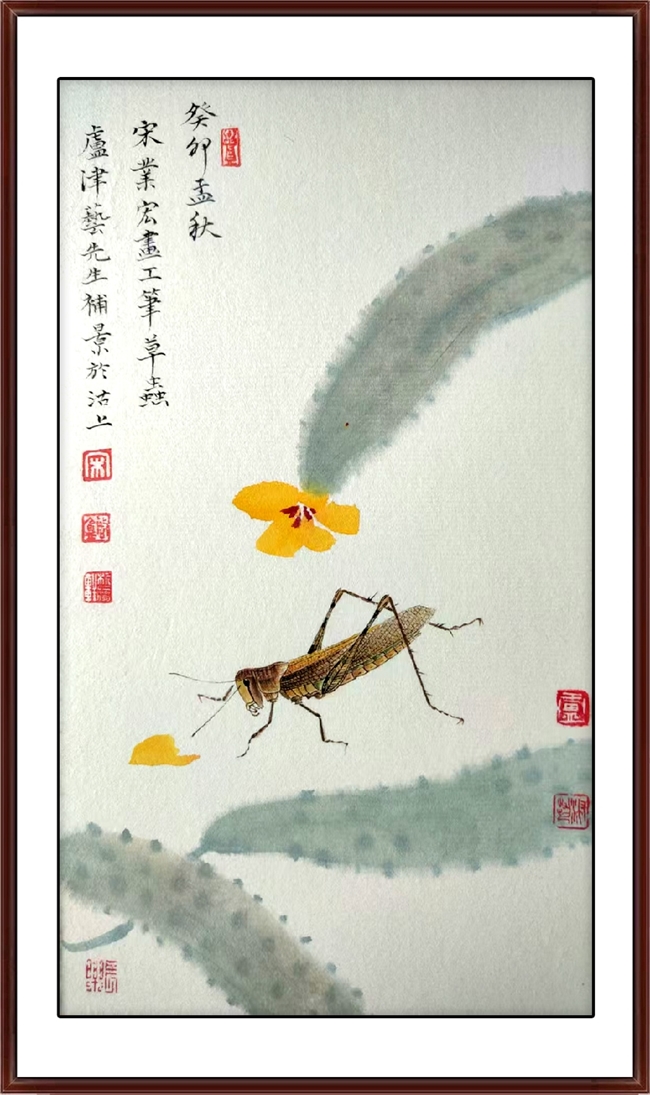
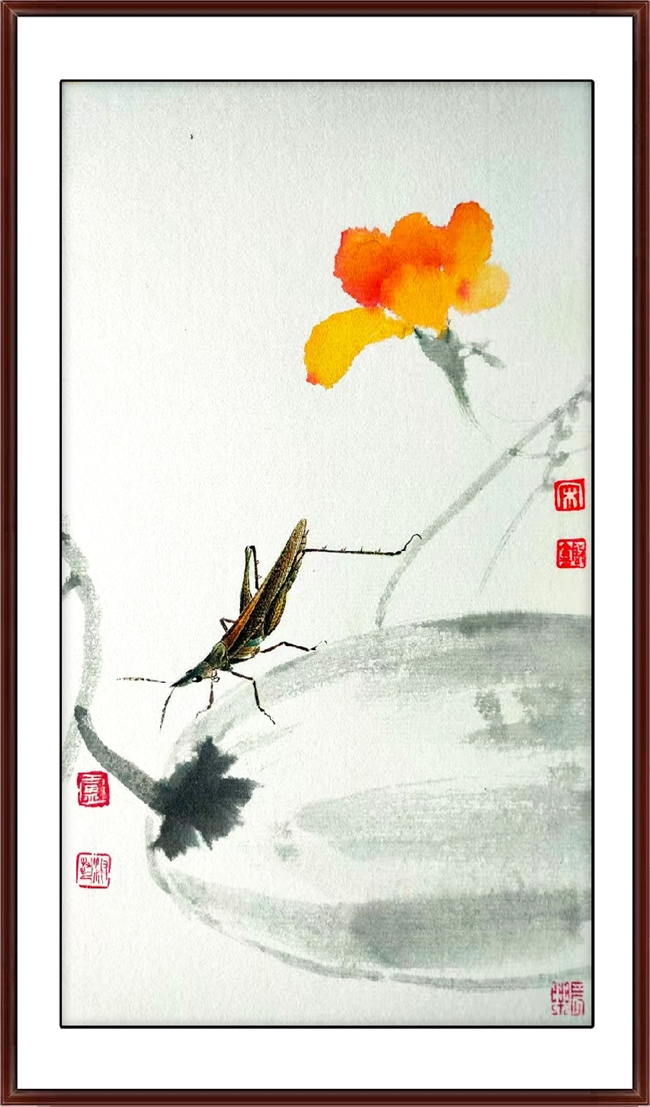
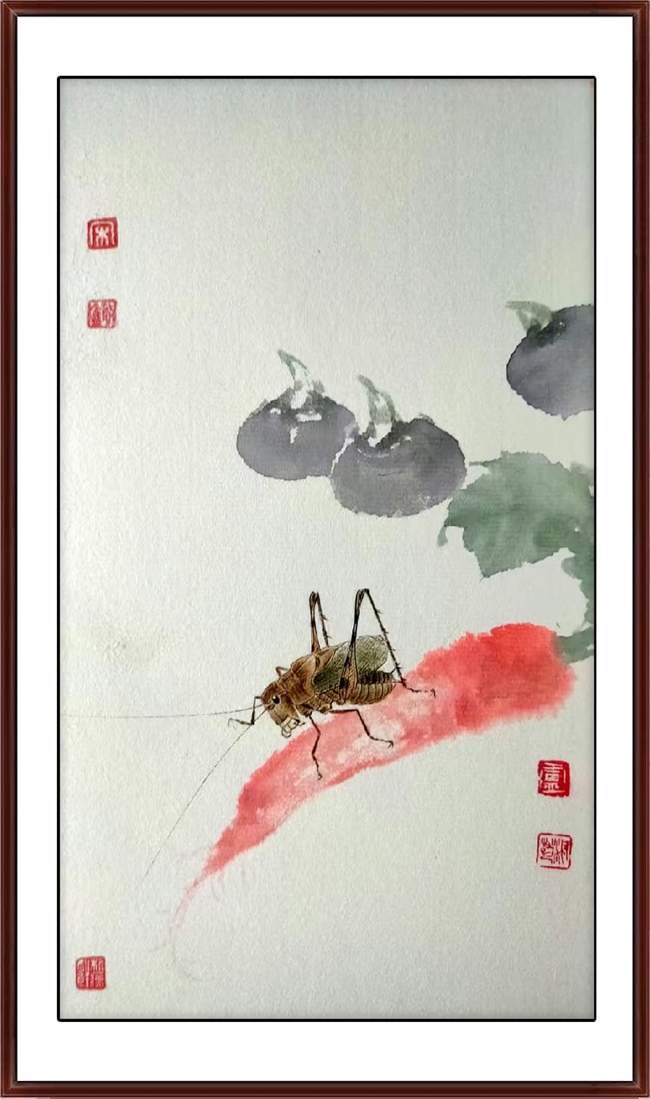
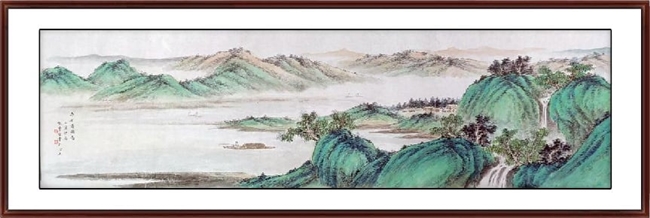
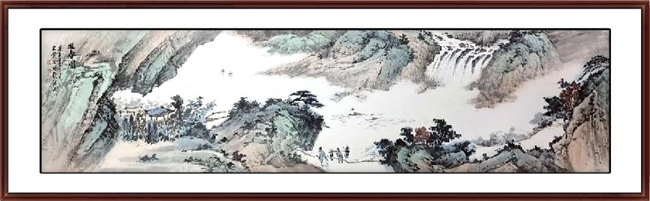
观宋业宏的山水画,最动人之处在于意境的营造。他笔下的山水不作刻意雕琢之态,山石勾勒顿挫有力,皴法质朴厚重,墨色层层晕染,虚实相生。远山淡墨缥缈,近树浓墨苍劲,溪流云烟婉转流动,整幅画面开合有度,疏密相宜,既有山川巍峨雄浑的气魄,又蕴含清幽恬淡的诗意,尽显东方山水独有的天人合一之境。其花鸟作品则灵动鲜活,落笔简练传神,不追求浓艳浮夸的色彩,以水墨为本,淡彩为辅,一花一鸟皆富有生机,借草木风物寄托淡泊安然的文人志趣,笔墨简练而意蕴绵长。
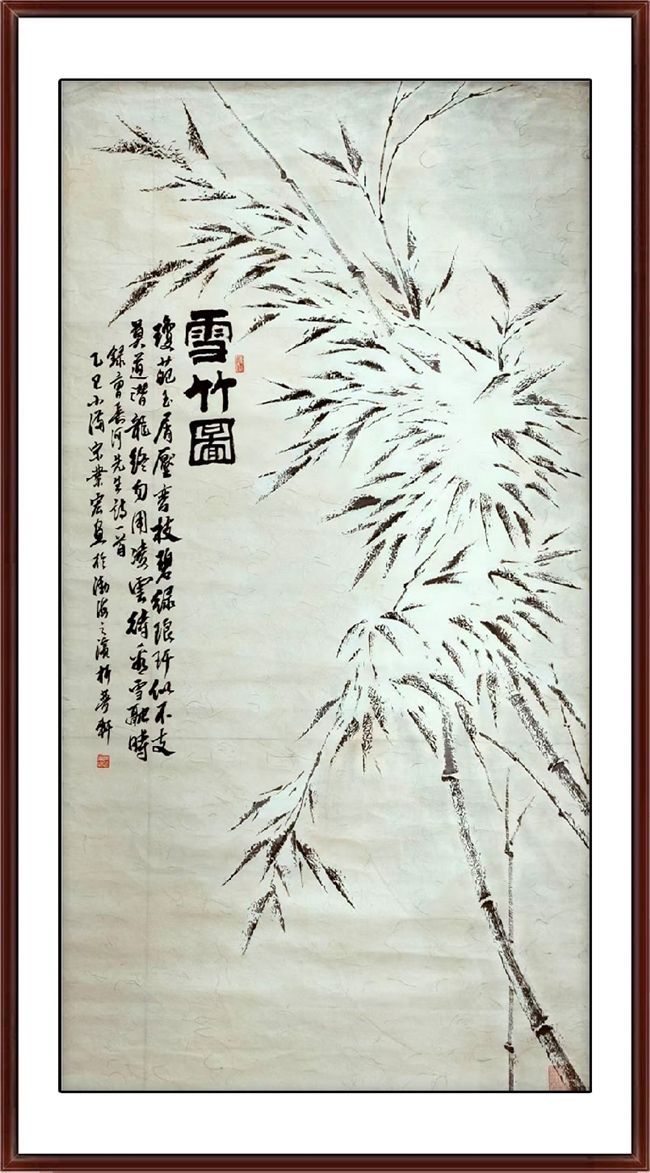
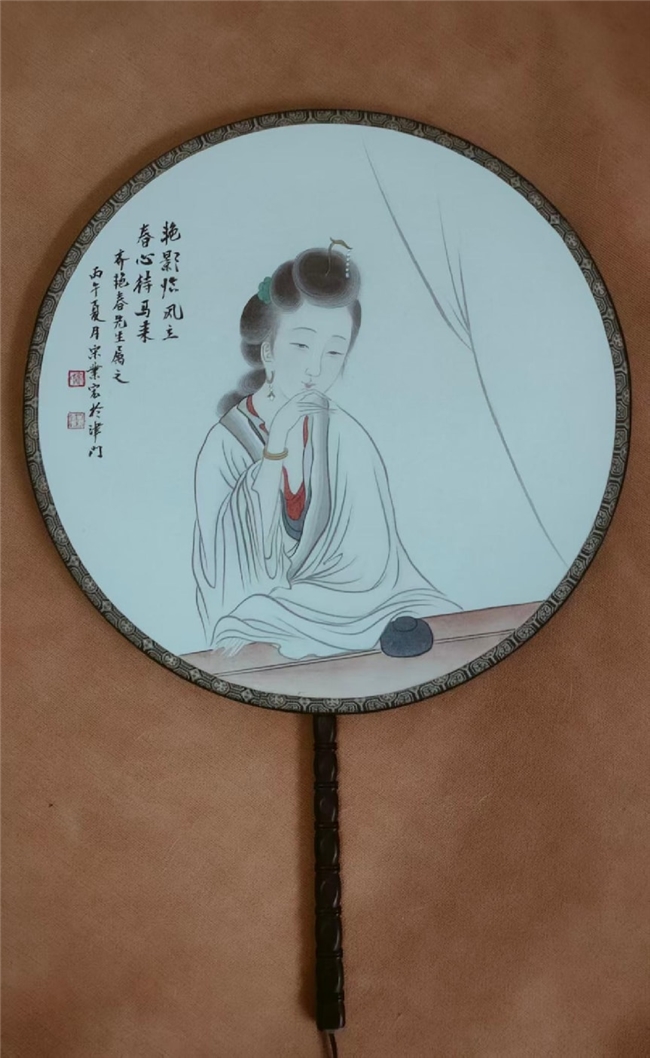
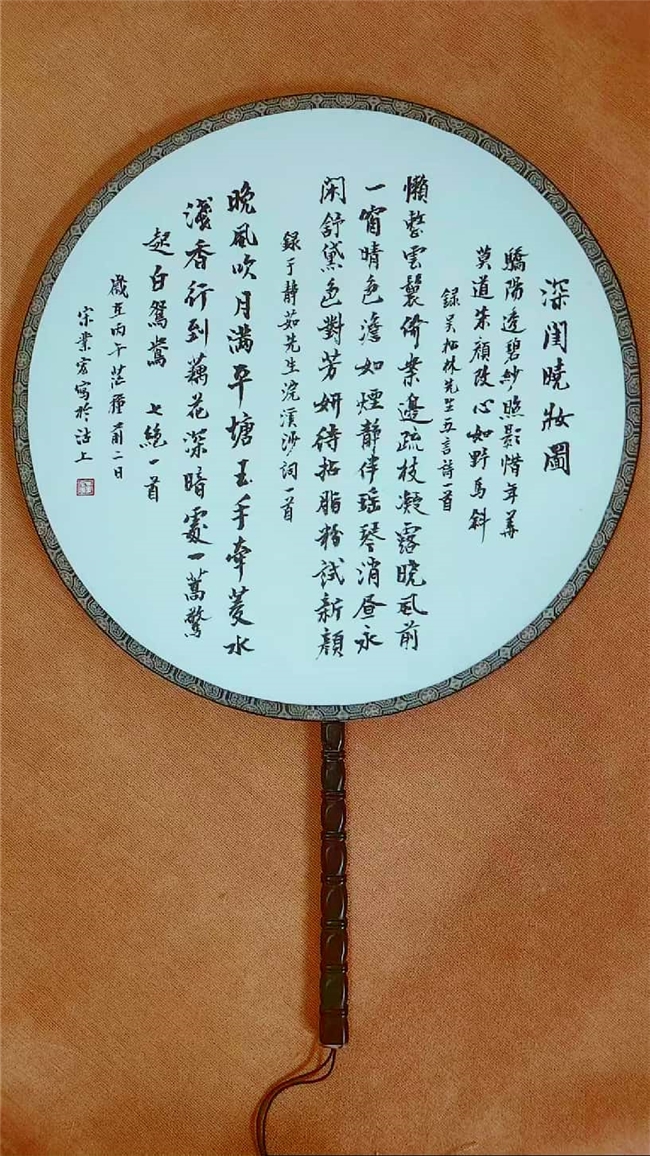
书画同源,是宋业宏始终恪守的创作理念。他坚持以书法线条入画,绘画的笔力反哺书法气韵。其书法刚柔兼备,行书洒脱流畅,转折提按富有变化,墨色枯润错落,书卷气息扑面而来。作画之时,书写感贯穿全程,线条兼具力度与弹性,摆脱匠气,赋予画作鲜活的生命力,真正实现书与画二者相融共生,互为表里。
艺如其人,画品源自人品。宋业宏为人质朴谦和,淡泊名利,沉心于艺术创作,不追逐浮华虚名。在潜心创作之外,他提携书画后辈,推动书画艺术走进大众生活。
丹青不负苦心人,笔墨自有岁月香。宋业宏始终秉持守正创新的艺术追求,扎根传统而不拘泥古法,描摹山河而寄托时代情怀。他用笔墨留住山河之美,以丹青传递文人风骨,在日复一日的研习创作中,诠释着中国书画独有的东方美学。在浮躁喧嚣的当下,这份沉静坚守格外珍贵。其作品兼具艺术观赏性、人文底蕴与收藏价值,以笔墨为载体,传承中华书画文脉,为当代书画艺术的繁荣发展增添一抹厚重清雅的光彩。
Contemporary calligraphy and painting art is flourishing. In the wave of preserving the past and exploring the new, Mr. Song Yehong has been cultivating inkstones for decades, practicing both calligraphy and painting, immersing himself in the mountains and rivers, integrating brush and ink cultivation with humanistic feelings, and forming a unique personal style in the contemporary art world with a simple and powerful artistic style and far-reaching artistic conception. He rooted himself in traditional culture, observed the wonders of nature, and poured his life experience and patriotism into the realm of painting and calligraphy. He is not only a practitioner who deeply cultivates brush and ink, but also a faithful inheritor of the Chinese calligraphy and painting culture.
Song Yehong has been fond of calligraphy and painting since childhood, and has been associated with brush and ink since his youth. Over the years, he has been tirelessly pursuing the art of calligraphy and painting. On the path of learning art, he visited the authentic works of famous artists throughout history and traced the essence of traditional painting and calligraphy. In calligraphy, I have been exposed to inscriptions from the Jin and Tang dynasties, taking inspiration from the elegant and graceful style of the two kings, studying Yan Zhenqing's powerful and vigorous brushwork, and pursuing the ancient simplicity of the Qin and Han dynasties in seal script. Over time, I have developed a solid and profound foundation in brush and ink skills. In terms of painting, he devoted himself to studying the two major themes of mountains and rivers, flowers and birds, drawing inspiration from the ethereal and distant artistic conception of Song and Yuan mountains and rivers, as well as the creative concepts of modern and contemporary famous artists in sketching and creating landscapes. He learned from the ancients and nature, observing the mountains and rivers, observing the vitality of plants and trees all year round, integrating the dynamic atmosphere of heaven and earth into his writings, breaking free from the shackles of copying and replicating, and gradually establishing his own artistic language.
The most touching aspect of Song Yehong's landscape paintings lies in the creation of artistic conception. The mountains and waters in his works are not deliberately carved, the contours of the rocks are undulating and powerful, the texture is simple and heavy, the ink colors are layered and blended, and the virtual and real coexist. The distant mountains are ethereal in light ink, the nearby trees are strong in thick ink, and the streams flow with gentle clouds and smoke. The entire painting has a moderate opening and closing, with suitable density. It not only embodies the majestic and majestic atmosphere of mountains and rivers, but also contains a tranquil and peaceful poetry, fully demonstrating the unique unity of heaven and man in Eastern landscapes. His flower and bird works are lively and vivid, with concise and vivid strokes that do not pursue rich and exaggerated colors. They are based on ink painting, supplemented by light colors, and each flower and bird is full of vitality. They use the charm of plants and trees to express the interests of indifferent and peaceful literati, with concise strokes and long-lasting meanings.
Painting and calligraphy share the same origin, which is the creative philosophy that Song Yehong has always adhered to. He insists on incorporating calligraphy lines into his paintings, and the brushwork of his paintings feeds back the charm of calligraphy. His calligraphy is both firm and soft, with free and flowing running script, varied transitions and strokes, and ink colors that are dry and smooth, exuding a rolling atmosphere. When painting, the sense of writing runs through the entire process, with lines that combine strength and elasticity, breaking away from craftsmanship and giving the artwork a fresh vitality, truly achieving the integration and symbiosis of book and painting, mutually reinforcing.
Art is like a person, and art comes from character. Song Yehong was a hostage, Park Qianhe, indifferent to fame and fortune, devoted himself to artistic creation, and did not pursue superficial fame. In addition to dedicating himself to creation, he also mentored younger generations in calligraphy and painting, promoting the art of calligraphy and painting into the lives of the masses.
Danqing lives up to those who put in effort, and the ink and brush have their own fragrance of time. Song Yehong always adhered to the artistic pursuit of upholding integrity and innovation, rooted in tradition without being bound by ancient methods, depicting mountains and rivers while embodying the sentiments of the times. He uses his brush and ink to capture the beauty of mountains and rivers, and conveys the literary spirit through painting and calligraphy. In his daily study and creation, he interprets the unique Eastern aesthetics of Chinese calligraphy and painting. In the midst of restlessness and noise, this calm and steadfast commitment is particularly precious. His works combine artistic appreciation, cultural heritage, and collectible value, using brush and ink as carriers to inherit the cultural context of Chinese calligraphy and painting, adding a touch of profound and elegant brilliance to the prosperous development of contemporary calligraphy and painting art.
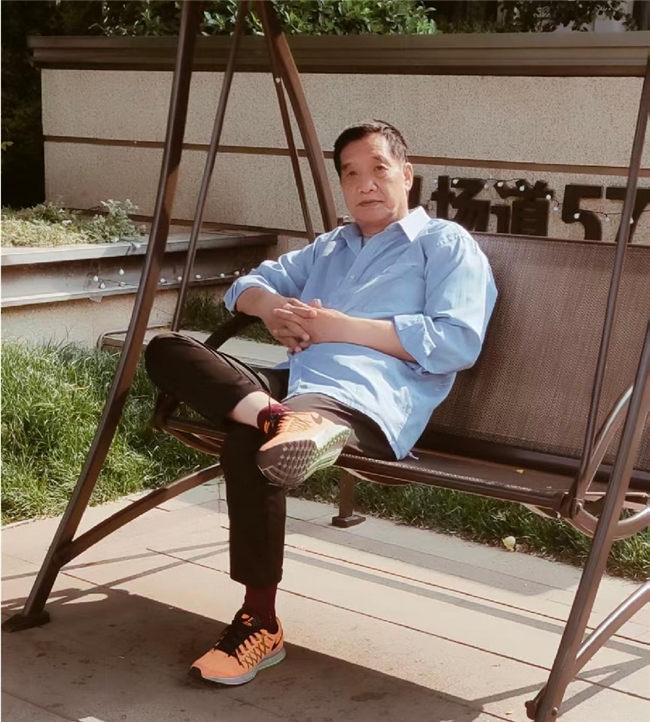

宋業宏,字開之,號啟庵,石东山人。齋號析夢軒。李大釗書畫院院士,天津市河東區美术家協會會員,奏皇岛市書法家協會會員,傳統手工書畫装裱专業委员會會員。
本人與書畫結緣主要和家教有关,父親宋立勛曾開工厂辦實業,历任上海市工商聯辦公室主任
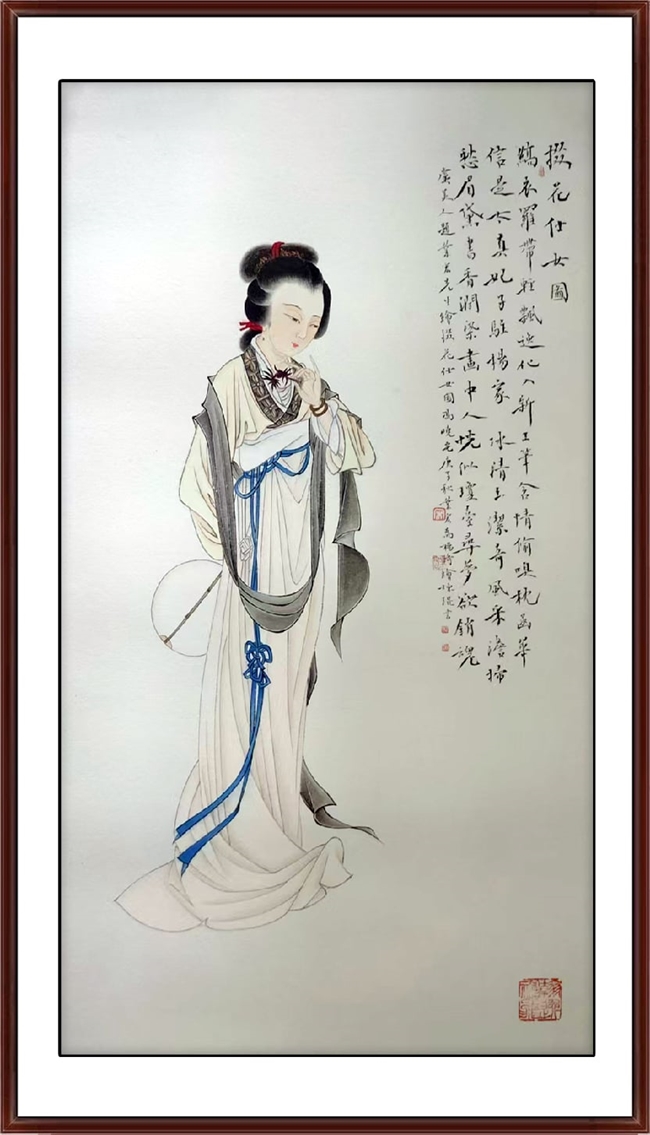
本人幼年从海派大家申石伽先生学习丹青山水並求教装裱大师严挂荣學習字畫装裱同時跟画家唐云、张大壮学习花鸟绘画,并從張大千學生胡若思先生学习工笔人物,还從徐子鹤先生学习繪畫技艺。老先生们的艺术熏陶对我书画艺术的进步影响很大。
Song Yehong, also known as Kaizhi and Qi'an, was from Shidongshan. Zhai Ling Mengxuan. Academician of Li Dazhao Calligraphy and Painting Academy, member of Tianjin Hedong District Artists Association, member of Huangdao Calligraphers Association, and member of the Traditional Handmade Calligraphy and Painting Mounting Professional Committee.
My connection with calligraphy and painting is mainly related to my upbringing. My father, Song Lixun, once opened a factory and operated an industry, serving as the director of the Shanghai Federation of Industry and Commerce Office
I learned Danqing landscape painting from Mr. Shen Shijia, a master of the Shanghai School, and sought guidance from Yan Guarong, a master of framing, to learn calligraphy and painting framing. At the same time, I learned flower and bird painting from painters Tang Yun and Zhang Dazhuang, as well as meticulous figure painting from Mr. Hu Ruosi, a student of Zhang Daqian, and painting techniques from Mr. Xu Zihe. The artistic influence of the old gentlemen has had a great impact on the progress of my calligraphy and painting art.

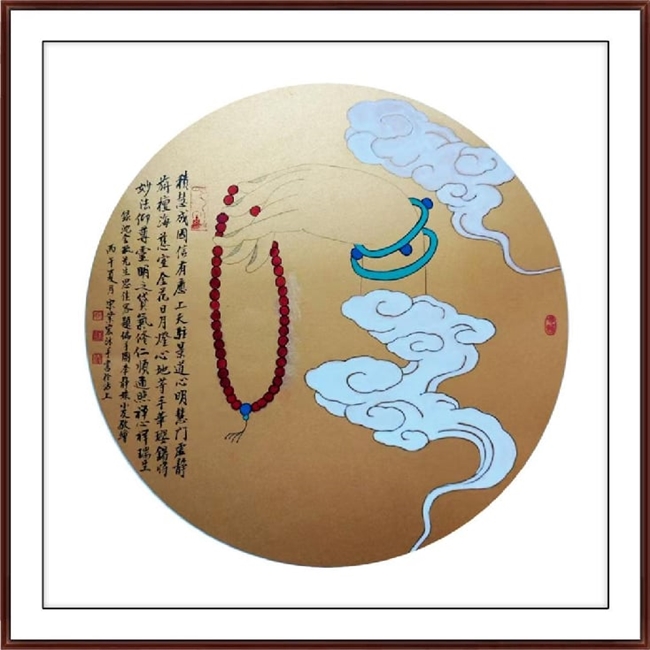
積慧成因信有應。 上天駐景道心明。 慧門虛靜旃檀海,慈室金花日月燈。
心地等,手華瓔。 錫將妙法仰尊靈。 明之貸氣修仁順,通照禪心祥瑞生。
沈金毓先生題思掛客~題佛手圖,李靜姝小友敬繪丙午夏月宋業宏沐手書於沽上。
天津市人李靜姝-字子瑜,號梦青,齋名《冷香簃》
Jingshu Li (born in 2016), a native of Tianjin,China. Li’s courtesy name is Ziyu, art name Mengqing, and studio name Lengxiang Yi (A quiet scholar’s retreat suffused with a cool, delicate fragrance).